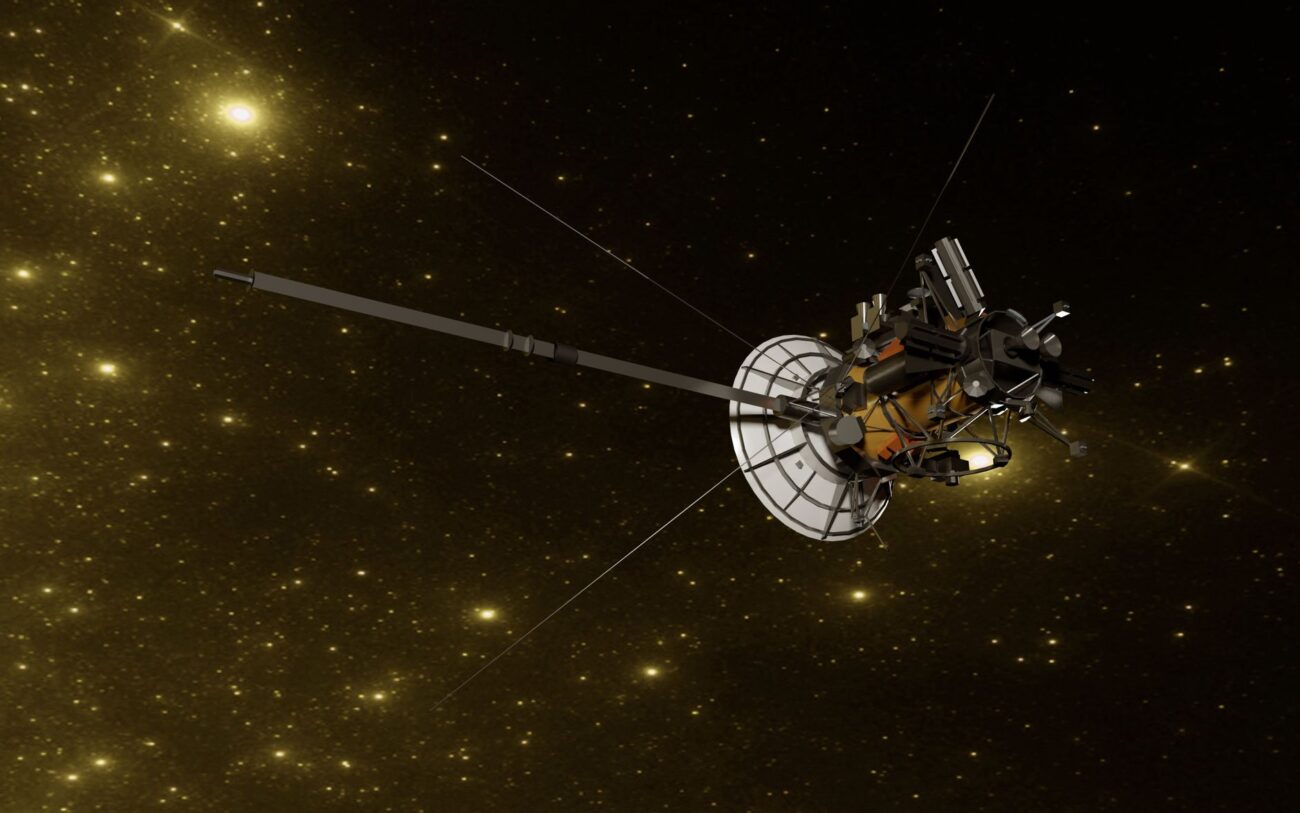
The Voyager 1 mission continues to amaze as it remains operational, defying expectations. This remarkable spacecraft is now a light-day away from Earth, providing valuable data.
The Journey of Voyager 1
The journey of Voyager 1 has been nothing short of extraordinary. Launched on September 5, 1977, this remarkable spacecraft has traveled over 14 billion miles from Earth, making it the most distant human-made object in space. As part of the Voyager 1 mission, it was initially designed to explore the outer planets of our solar system, including Jupiter and Saturn. However, its mission has far exceeded expectations.
Voyager 1’s groundbreaking discoveries have reshaped our understanding of the cosmos. Some of the key highlights of its journey include:
- Jupiter Flyby: The spacecraft provided stunning images and data about Jupiter’s atmosphere and its many moons, revealing the complexity of this giant planet.
- Saturn Exploration: Voyager 1 offered insights into Saturn’s rings and its largest moon, Titan, paving the way for future explorations.
- Interstellar Space: In 2012, Voyager 1 became the first human-made object to enter interstellar space, providing invaluable data about the environment beyond our solar system.
Despite the challenges posed by the vastness of space and the passage of time, the Voyager 1 mission continues to operate, sending back data that enriches our knowledge of the universe. As it travels further into the unknown, Voyager 1 remains a testament to human ingenuity and curiosity.
What Makes Voyager 1 Unique
The Voyager 1 mission, launched in 1977, has become one of the most remarkable achievements in space exploration. Several factors contribute to its uniqueness and longevity in the harsh environment of space.
- Durable Engineering: Built with robust materials and components, Voyager 1 was designed to withstand extreme temperatures and radiation. Its engineering has allowed it to function effectively for over four decades.
- Innovative Power Source: The spacecraft utilizes a radioisotope thermoelectric generator (RTG) to produce electricity. This power source has proven reliable over time, allowing Voyager 1 to continue sending valuable data back to Earth.
- Advanced Instruments: Equipped with a suite of scientific instruments, Voyager 1 can measure cosmic rays, magnetic fields, and plasma waves. These tools have provided insights into the heliosphere and interstellar space.
- Mission Adaptability: The mission team has skillfully adapted Voyager 1’s objectives over the years. By modifying its scientific goals, the team has maximized the return on investment from this long-lasting mission.
- Interstellar Legacy: As the first human-made object to enter interstellar space, Voyager 1 represents a significant milestone in our quest to understand the universe. Its ongoing transmissions continue to inspire scientists and enthusiasts alike.
Overall, the Voyager 1 mission stands as a testament to human ingenuity and the relentless pursuit of knowledge beyond our planet.
Key Discoveries from Voyager 1
The Voyager 1 mission has led to numerous groundbreaking discoveries since its launch in 1977. As the first human-made object to enter interstellar space, it has provided invaluable data that have enhanced our understanding of the cosmos. Here are some of the key discoveries from Voyager 1:
- Interstellar Medium Exploration: Voyager 1 has ventured beyond the heliosphere, allowing scientists to study the interstellar medium—the matter and radiation that exists in the space between stars. This has offered insights into the composition and density of this region.
- Cosmic Rays: The spacecraft has recorded an increase in cosmic rays, which are high-energy particles originating from outside the solar system. These findings have helped researchers understand the nature and behavior of cosmic radiation.
- Magnetic Field Measurements: Voyager 1 has provided crucial data about the magnetic field in interstellar space, revealing how it interacts with solar and cosmic phenomena.
- Insights on Heliospheric Boundaries: The mission has contributed to the understanding of the heliopause—the boundary where the solar wind from the Sun meets the interstellar medium, shedding light on how these two environments interact.
All of these discoveries underscore the significance of the Voyager 1 mission, not only in expanding our knowledge of space but also in demonstrating the longevity and resilience of technology designed for exploration.
Challenges Faced by Voyager 1
The Voyager 1 mission, launched in 1977, has faced numerous challenges throughout its journey, yet it has continued to function beyond expectations. As it ventured into the depths of interstellar space, several factors posed significant threats to its operation.
- Extreme Radiation: Voyager 1 navigated through areas of intense radiation, particularly when passing through the magnetic fields of Jupiter and Saturn. This radiation could damage electronics and interfere with communication.
- Distance from Earth: As Voyager 1 travels further away, maintaining communication becomes increasingly challenging. Signals take over 22 hours to reach Earth, requiring precise timing and robust technology to ensure messages are sent and received effectively.
- Power Supply: The spacecraft relies on radioisotope thermoelectric generators for power, which decay over time. Engineers must carefully manage energy consumption to prolong its operational life.
- Environmental Factors: Voyager 1 is exposed to the harsh conditions of space, including extreme temperatures and cosmic radiation, which can affect its systems and instruments.
Despite these hurdles, the Voyager 1 mission has proven remarkably resilient. Its ability to continue transmitting valuable data from over 14 billion miles away demonstrates the ingenuity and foresight of the teams who designed and built this historic spacecraft.
Future of the Voyager Mission
The Voyager 1 mission continues to captivate scientists and space enthusiasts alike, even as it travels through interstellar space. With each passing year, the spacecraft sends back valuable data that offers insights into the vastness of the cosmos. As Voyager 1 pushes further away from our solar system, its longevity raises questions about the future of deep space exploration.
Despite being over 46 years old, Voyager 1 operates on a carefully managed power system. The onboard radioisotope thermoelectric generators (RTGs) provide a reliable source of energy, but their power output diminishes over time. NASA engineers are constantly strategizing to optimize the spacecraft’s functions and extend its operational life as long as possible.
The mission team has outlined several key objectives for the coming years:
- Data Collection: Continued analysis of cosmic rays and magnetic fields will enhance our understanding of interstellar space.
- Communication: Efforts to maintain communication with Voyager 1 remain a high priority, ensuring that data transmission continues.
- Scientific Legacy: The information gathered will significantly contribute to future missions and studies related to the interstellar medium.
As Voyager 1 ventures into the unknown, its mission serves as a testament to human ingenuity and the enduring quest for knowledge about the universe. The findings from this remarkable journey will shape the future of space exploration for generations to come.
The Voyager 1 mission has provided invaluable data that continues to shape our understanding of the outer solar system. As we analyze the findings from the Voyager 1 mission, scientists are uncovering new insights into the longevity of space exploration technologies.
Photo by Paul Seling on Pexels
References
WIRED · Voyager 1 Mission profile
Xiaomi 18 Pro vs iPhone 18 Pro Max: Which is Better? · French InsurTech funding: Proven strategies for success · Hugging Face model release: Is it the best chat tool?
