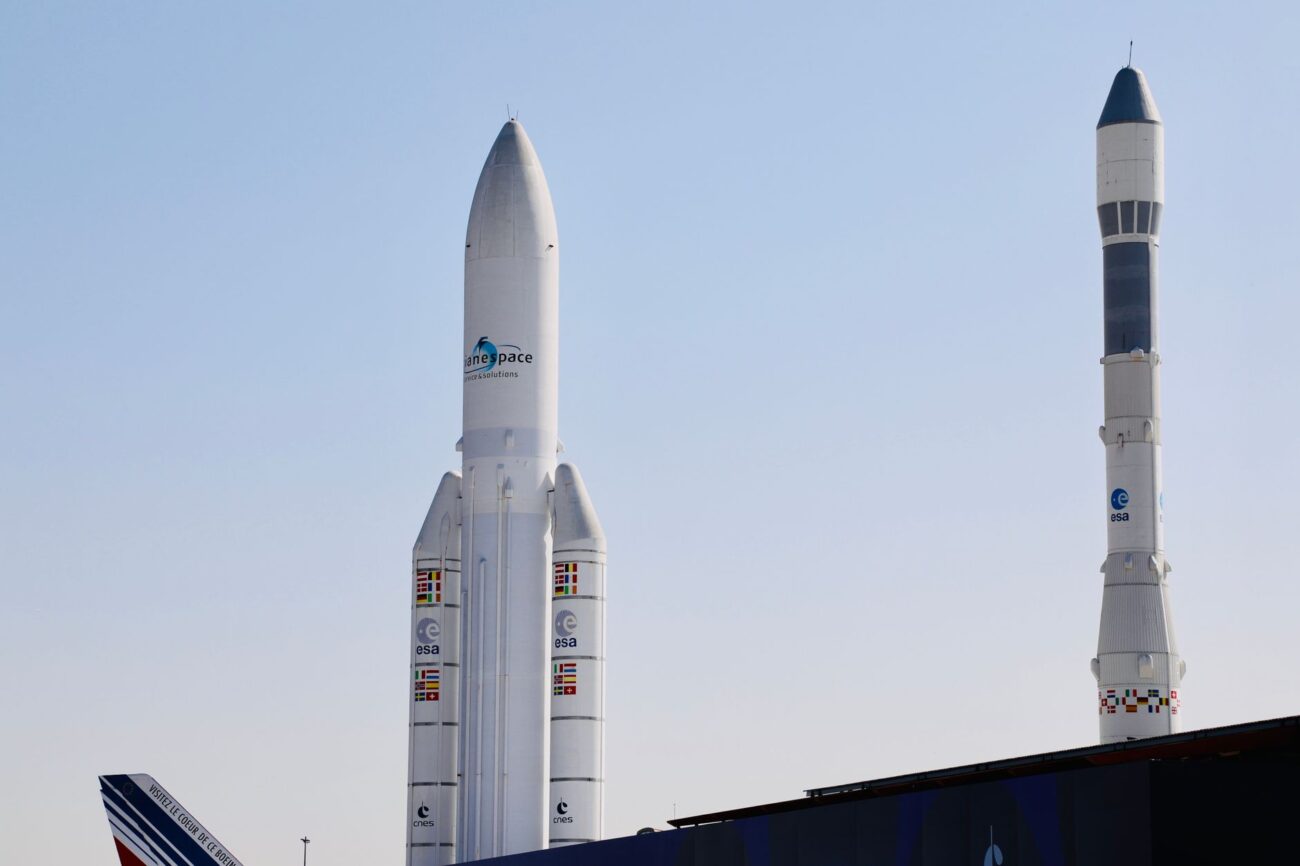
The Vega C rocket launch successfully placed two European Earth-observing satellites into orbit. This mission marks a significant achievement in satellite technology and environmental monitoring.
Overview of the Vega C Rocket
The recent Vega C rocket launch marks a significant milestone in the field of Earth observation. This latest mission successfully deployed two European satellites into orbit from the Guiana Space Centre in South America, demonstrating the reliability and capabilities of the Vega C rocket system.
The Vega C, an upgraded version of the original Vega rocket, features enhanced payload capacity and improved performance. Designed to cater to various mission profiles, it serves as a crucial asset for the European Space Agency and commercial satellite operators alike.
Among its notable advancements, the Vega C rocket is equipped with a new fairing and a more powerful first-stage engine, allowing it to transport larger payloads into space. This launch not only reinforces the rocket’s operational success but also underscores Europe’s commitment to advancing Earth observation technology.
The two satellites, which will monitor and collect data on environmental changes, play a vital role in addressing global challenges such as climate change and natural disasters. The successful Vega C rocket launch is a promising step toward enhancing our understanding of Earth and improving response strategies for various ecological issues.
Mission Objectives and Goals
The recent Vega C rocket launch successfully deployed two European Earth-observing satellites, marking a significant step in enhancing our ability to monitor the planet. The mission objectives were clear and focused on advancing Earth observation capabilities.
One of the primary goals of the launch was to improve the accuracy and frequency of data collection regarding environmental changes. The satellites are equipped with advanced sensors that will gather critical information on:
- Climate change impacts and trends
- Urban development and land use
- Agricultural practices and crop monitoring
- Natural disasters and risk management
By deploying these satellites into orbit, the Vega C rocket launch aims to provide timely and actionable data for researchers and policymakers alike. The enhanced imaging capabilities will support initiatives focused on sustainability and resource management. As Earth observation becomes increasingly vital in addressing global challenges, the success of this mission highlights the importance of continued investment in space technology.
In conclusion, the Vega C rocket launch represents a crucial step forward in our efforts to observe and protect our planet.
Significance of Earth Observation
The significance of Earth observation has become increasingly critical in our rapidly changing world. The recent Vega C rocket launch successfully deployed two European Earth-observing satellites, marking a significant achievement in the realm of environmental monitoring.
Earth observation satellites play an essential role in gathering data that helps us understand various aspects of our planet, including:
- Climate Change: Monitoring temperature changes, ice melting, and greenhouse gas emissions.
- Agricultural Management: Providing insights for crop health and land use, aiding in efficient food production.
- Disaster Management: Enabling timely responses to natural disasters by tracking real-time conditions and damage assessments.
- Biodiversity Conservation: Allowing for monitoring of wildlife habitats and deforestation trends.
These satellites are vital for governments, researchers, and organizations to make informed decisions. The Vega C rocket launch not only highlights technological advancements but also emphasizes the importance of collaborative efforts in addressing global challenges through precise data collection and analysis.
Future Launches Planned
The recent success of the Vega C rocket launch has paved the way for a series of future missions aimed at enhancing global Earth observation capabilities. Following the successful deployment of two European Earth-observing satellites, the European Space Agency (ESA) and Arianespace are set to schedule additional launches that will further expand their observational reach.
Upcoming missions will focus on a variety of objectives, including:
- Climate Monitoring: Launching satellites equipped with advanced sensors to track environmental changes and assess climate impact.
- Agricultural Management: Deploying technology that supports precision farming by providing real-time data on crop health and soil conditions.
- Disaster Response: Enhancing capabilities to monitor natural disasters and improve response strategies through timely data collection.
As the Vega C rocket continues to demonstrate its reliability, stakeholders are optimistic about the future of satellite technology. The planned launches are expected to take place over the next few years, reinforcing Europe’s commitment to addressing global challenges through innovative Earth observation methods.
Impact on Environmental Monitoring
The successful launch of the Vega C rocket marks a significant milestone in environmental monitoring efforts. With its capability to deploy advanced Earth observation satellites, the Vega C rocket enhances our understanding of the planet’s changing ecosystems.
Two European satellites, launched into orbit, are set to provide critical data for various applications, including:
- Climate Change Monitoring: The satellites will track greenhouse gas emissions and other environmental indicators to help combat climate change.
- Agricultural Management: Farmers can utilize the data for precision agriculture, leading to more efficient resource usage and improved crop yields.
- Disaster Response: The satellites will assist in rapid response to natural disasters, offering real-time data for better preparedness and recovery efforts.
By employing advanced imaging technology, these satellites are expected to deliver high-resolution images that can be utilized by scientists, policymakers, and environmentalists alike. The Vega C rocket launch not only signifies technological advancement but also reaffirms Europe’s commitment to environmental sustainability and monitoring.
As we look to the future, the impact of the Vega C rocket will undoubtedly play a pivotal role in our ongoing quest to safeguard the Earth.
Photo by Léa Claisse on Pexels
