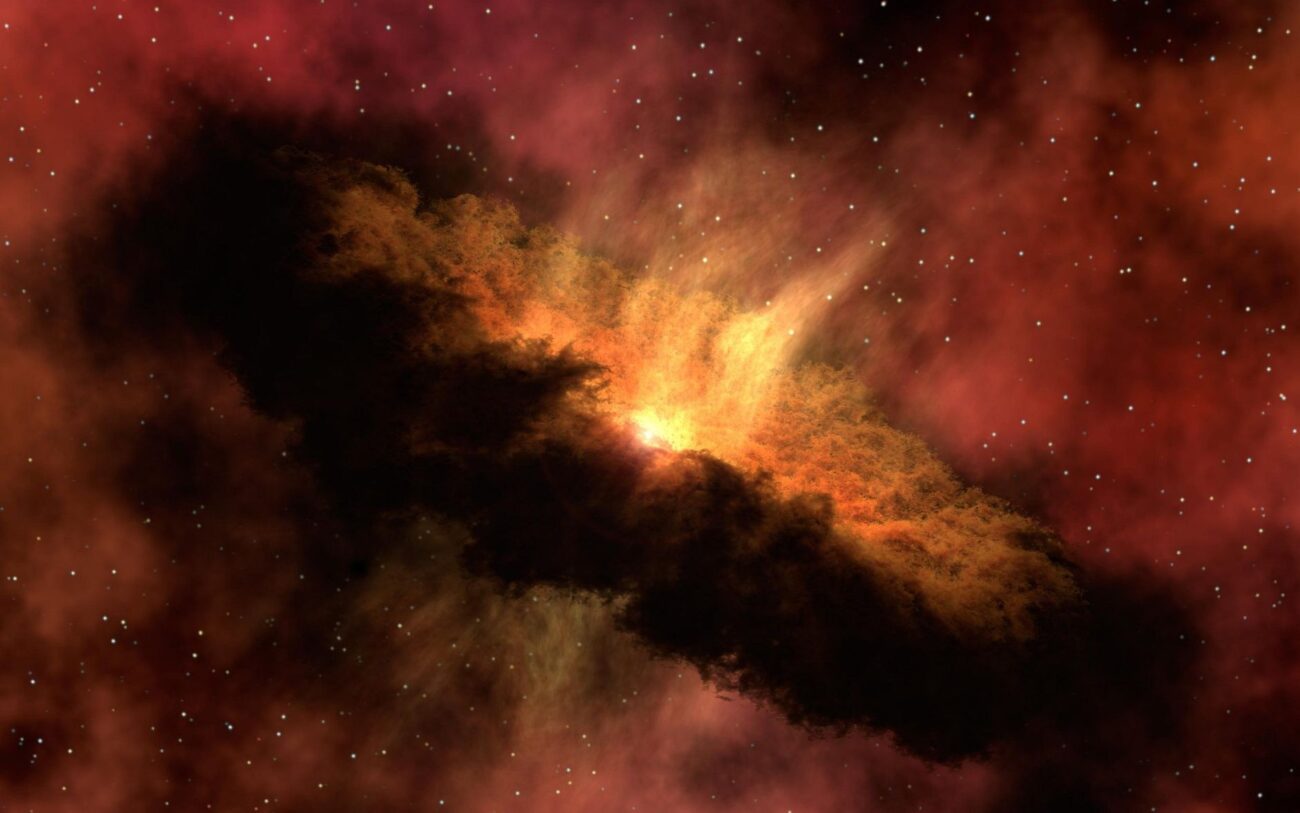
The undiscovered stellar nemesis is a concept that has intrigued scientists for years. Recent insights from physicists suggest that this elusive companion star may still be out there, influencing our solar system.
What is a Stellar Nemesis?
A stellar nemesis is a hypothetical companion star to our Sun that could pose a significant threat to our solar system. This concept suggests that there may be an undiscovered stellar nemesis lurking in the outer regions of our solar neighborhood, potentially influencing the orbits of comets and asteroids. The existence of such a celestial body raises important questions about its effects on Earth and the overall stability of our cosmic environment.
Physicists have speculated that a stellar nemesis could be a dim, distant star, possibly a brown dwarf or a red dwarf, that remains undetected due to its faintness. The gravitational pull of this companion could disrupt the Oort Cloud, a vast region of icy objects surrounding our solar system. This disturbance could send comets hurtling toward the inner solar system, increasing the likelihood of catastrophic impacts on Earth.
Although no direct evidence of an undiscovered stellar nemesis has been found, astronomers continue to search the skies for clues. Understanding the potential risks associated with such a companion star is crucial for planetary defense and safeguarding our planet’s future.
The Science Behind the Theory
The concept of an undiscovered stellar nemesis has intrigued astronomers for decades. This hypothetical companion star, believed to be lurking in the outskirts of our solar system, may have significant implications for Earth and its inhabitants. The theory suggests that this celestial body could exert gravitational influence on comets and other objects in the Oort Cloud, potentially sending them toward the inner solar system.
Researchers have proposed several characteristics that this elusive nemesis might possess. Key points include:
- Distance: The star is thought to be located far beyond Pluto, making it difficult to detect with current telescopes.
- Type: It could be a brown dwarf or a dim red dwarf, which emit minimal light, further complicating its identification.
- Orbital Period: The orbital path of this stellar nemesis may take thousands or even millions of years to complete.
Despite the challenges in confirming its existence, scientists continue to study the potential risks associated with such a body. Understanding this theory could help us better prepare for any unforeseen cosmic events in the future.
How Could It Affect Earth?
The potential existence of an undiscovered stellar nemesis raises significant concerns about its possible effects on Earth. If such a celestial body exists, it could influence the dynamics of our solar system in several ways.
- Gravitational Interference: An undiscovered stellar nemesis may alter the orbits of planets, including Earth, leading to unpredictable climatic changes.
- Increased Comet Activity: Its gravitational pull could disrupt the Oort Cloud, sending comets towards the inner solar system and increasing the risk of impacts on Earth.
- Radiation Exposure: If this nemesis emits high levels of radiation, it could affect the Earth’s atmosphere and biosphere, posing a threat to life.
- Long-term Climate Changes: The gravitational effects on Earth’s axial tilt could result in long-term climate shifts, affecting ecosystems and agriculture.
While the existence of an undiscovered stellar nemesis is still theoretical, the implications of its presence could be profound. Scientists continue to search for evidence to confirm or refute this worrying possibility, emphasizing the need for ongoing research in astrophysics.
Recent Discoveries in Astronomy
Recent advancements in astronomy have reignited interest in the concept of an undiscovered stellar nemesis, a hypothetical companion star to our Sun that could pose potential threats to Earth. Researchers have been utilizing sophisticated telescopes and data analysis techniques to search the vastness of space for any signs of this elusive entity.
One recent study suggested that such a companion star could be located far beyond Pluto, hidden from our current observational capabilities. The implications of discovering a stellar nemesis are significant, as it could influence the orbits of comets and asteroids, leading to an increased risk of collisions with Earth.
As scientists continue to scan the skies, several key discoveries have emerged:
- Infrared Surveys: Advanced infrared technology has been employed to detect faint objects that could indicate the presence of a distant companion star.
- Computer Simulations: Models simulating the gravitational effects of an undiscovered star suggest potential perturbations in known celestial bodies.
- Historical Data: Astronomers are reviewing past observations for anomalous patterns that could hint at a stellar nemesis.
The search continues, captivating scientists and the public alike with the mysteries of our cosmic neighborhood.
The Search for Hidden Stars
The quest to identify our undiscovered stellar nemesis has intensified as astronomers employ advanced techniques to scan the cosmos. Despite the vastness of space, researchers believe that a companion star or dark object could be lurking in the outer reaches of our solar system, undetected by conventional methods.
Several key strategies are being utilized in this search:
- Infrared Surveys: Telescopes equipped with infrared technology can detect cool objects that emit little visible light, which may include brown dwarfs or distant stars.
- Gravitational Effects: By observing the gravitational influences on the orbits of known celestial bodies, scientists can infer the presence of unseen companions.
- Wide-field Imaging: Large-scale sky surveys aim to capture images of the entire night sky, increasing the chances of spotting elusive stars.
Despite numerous efforts, the existence of a stellar nemesis remains speculative, fueling ongoing debates within the scientific community. As technology advances, the hope is that researchers will finally uncover the truth about this potential threat, revealing whether our solar system has hidden dangers or if the search will continue indefinitely.
Expert Opinions on Stellar Companions
Experts in the field of astrophysics are increasingly voicing their thoughts on the existence of an undiscovered stellar nemesis, a hypothetical companion to our Sun that could influence the gravitational dynamics of our solar system. According to Dr. Emily Carter, a renowned physicist, “The idea of a stellar nemesis has been debated for decades, and while we have yet to find definitive evidence, the implications of its existence cannot be ignored.”
Dr. Carter highlights that if such a companion star exists, it could potentially disrupt the orbits of objects in the Kuiper Belt, leading to increased cometary activity directed towards Earth. “The search for these hidden stars is crucial,” she asserts. “Understanding our cosmic neighborhood allows us to better prepare for any potential threats.”
In a similar vein, Dr. James O’Reilly, an astronomer at the National Observatory, emphasizes the importance of ongoing surveys and advanced telescopes to uncover these elusive celestial bodies. “We may be on the brink of discovering our solar system’s undiscovered stellar nemesis, and that knowledge could reshape our understanding of both our past and future,” he notes.
As researchers continue to explore the cosmos, the quest for hidden stellar companions remains a priority, with each new discovery bringing us closer to the truth.
Photo by Pixabay on Pexels
Where this came from
Sony MDR-3R headphones: The Best Retro Design Unveiled · Google Antigravity update: Best Simple Redesign Features · Inkling 2 Small AI Model: The Best Proven Solution for AI Needs
