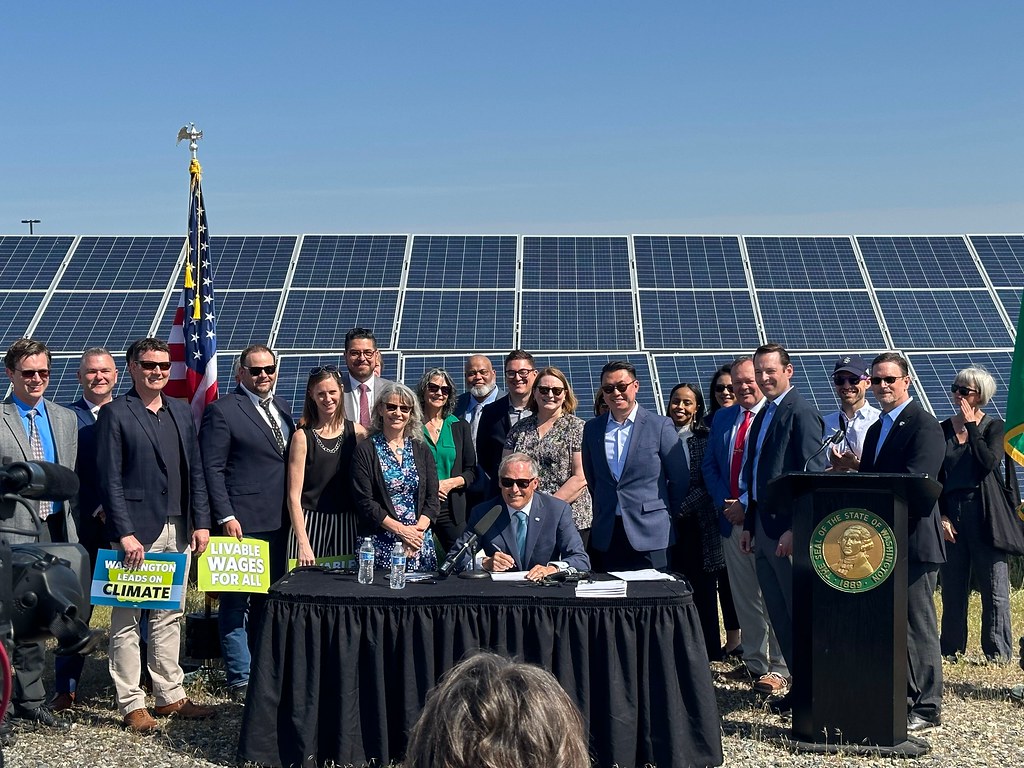
The permitting bill energy projects aims to streamline regulations and foster faster development. This legislative move is seen as a significant step towards enhancing energy infrastructure.
Overview of the Permitting Bill
The recent passage of the permitting bill aims to streamline the approval process for energy projects across the United States. This legislation is seen as a response to the growing demand for renewable energy and the need for quicker implementation of energy infrastructure.
Key features of the permitting bill include:
- Accelerated Timelines: The bill proposes to reduce the time required for federal approvals, allowing energy projects to move forward more swiftly.
- Environmental Reviews: It aims to simplify the environmental review process, ensuring that essential projects are not stalled by lengthy assessments.
- Data Center Regulations: The legislation also introduces new rules for data centers, emphasizing the importance of balancing energy needs with environmental considerations.
Proponents argue that this permitting bill for energy projects will ultimately lead to increased investment in sustainable energy, while critics express concerns over potential environmental impacts and the rush to approve projects without adequate scrutiny. As the debate unfolds, stakeholders are keenly watching the implications of this new legislation on the future of energy development in the country.
Impact on Energy Projects
The recent passage of the permitting bill energy projects has sparked significant discussions about its potential impact on the future of energy development in the United States. Proponents argue that streamlining the permitting process will accelerate the deployment of renewable energy sources, which is crucial for meeting climate goals.
Key anticipated impacts of the bill include:
- Reduced Approval Times: The legislation aims to cut down the time required for project approvals, allowing energy companies to begin construction sooner.
- Increased Investment: By providing a clearer path for project completion, the bill is expected to attract more investors, boosting the economy.
- Job Creation: Faster project rollout could lead to the creation of numerous jobs in construction, engineering, and renewable energy sectors.
- Enhanced Energy Security: With quicker transitions to renewable energy, the nation may reduce its dependence on fossil fuels, promoting long-term energy security.
However, critics warn that hastening the permitting process could undermine environmental protections, leading to potential backlash from various stakeholders. Balancing speed with sustainability remains a critical challenge as the bill is implemented.
Data Center Cost Rules Explained
The recently passed permitting bill energy projects includes specific provisions aimed at addressing the costs associated with data centers. As the demand for data storage continues to grow, the financial implications of establishing these centers have come under scrutiny.
Key rules outlined in the bill are designed to streamline the approval process while ensuring that costs remain manageable for developers. These rules include:
- Cost Transparency: Developers are required to provide detailed cost breakdowns before project approval, which helps in assessing the financial viability of data centers.
- Incentives for Renewable Energy: Financial incentives are available for data centers that utilize renewable energy sources, promoting sustainability while reducing operational costs.
- Timelines for Approval: The bill establishes strict timelines for project approvals, aiming to decrease delays that can escalate costs significantly.
Overall, the permitting bill energy projects, with its focus on data center cost rules, seeks to balance the rapid growth of technology infrastructure with sustainable financial practices. Stakeholders are optimistic that these measures will lead to a more efficient development process and lower costs in the long run.
Senate’s Role in Energy Legislation
The recent passage of the permitting bill aimed at streamlining energy projects marks a pivotal moment in the Senate’s approach to energy legislation. This bill is designed to reduce the time and complexity involved in obtaining the necessary approvals for energy infrastructure development.
Several key factors influenced the Senate’s decision to support this bill:
- Urgent Energy Needs: With energy demands continuing to rise, the Senate recognized the necessity of expediting the development of renewable and traditional energy sources.
- Economic Growth: The bill is expected to create jobs and stimulate economic activity by facilitating quicker project completion, which is crucial for both energy security and economic stability.
- Bipartisan Support: The passage of the permitting bill reflects a rare consensus in the Senate, as lawmakers from both parties acknowledged the importance of efficient energy projects for national interests.
Despite concerns regarding environmental impacts, proponents argue that the permitting bill energy projects will ultimately lead to a more sustainable and resilient energy landscape. As the Senate continues to navigate the complexities of energy legislation, the effects of this bill will likely be scrutinized closely in the coming months.
Future of Energy Infrastructure
The future of energy infrastructure in the United States is poised for significant transformation following the passage of the permitting bill energy projects. This legislation aims to streamline processes that have historically hindered the development of new energy initiatives. As renewable energy sources become increasingly vital in combating climate change, the effectiveness of this bill will be critical.
Supporters argue that by reducing regulatory hurdles, the bill will facilitate faster deployment of essential infrastructure, such as wind farms and solar facilities. This could lead to a more resilient energy grid, catering to the growing demand for clean energy. However, critics express concern that expedited permitting might overlook necessary environmental assessments, potentially compromising local ecosystems.
In addition to energy projects, the bill includes provisions for data center cost rules, reflecting a broader strategy to enhance technological advancements alongside energy initiatives. As energy needs evolve, the integration of innovative solutions will be essential.
Overall, while the permitting bill energy projects presents an opportunity for expedited growth in the energy sector, its long-term success will depend on balancing efficiency with environmental responsibility.
The permitting bill energy projects could streamline the approval process for renewable energy initiatives. However, critics argue that the permitting bill energy projects may overlook essential environmental safeguards.
By WaStateGov via Openverse
