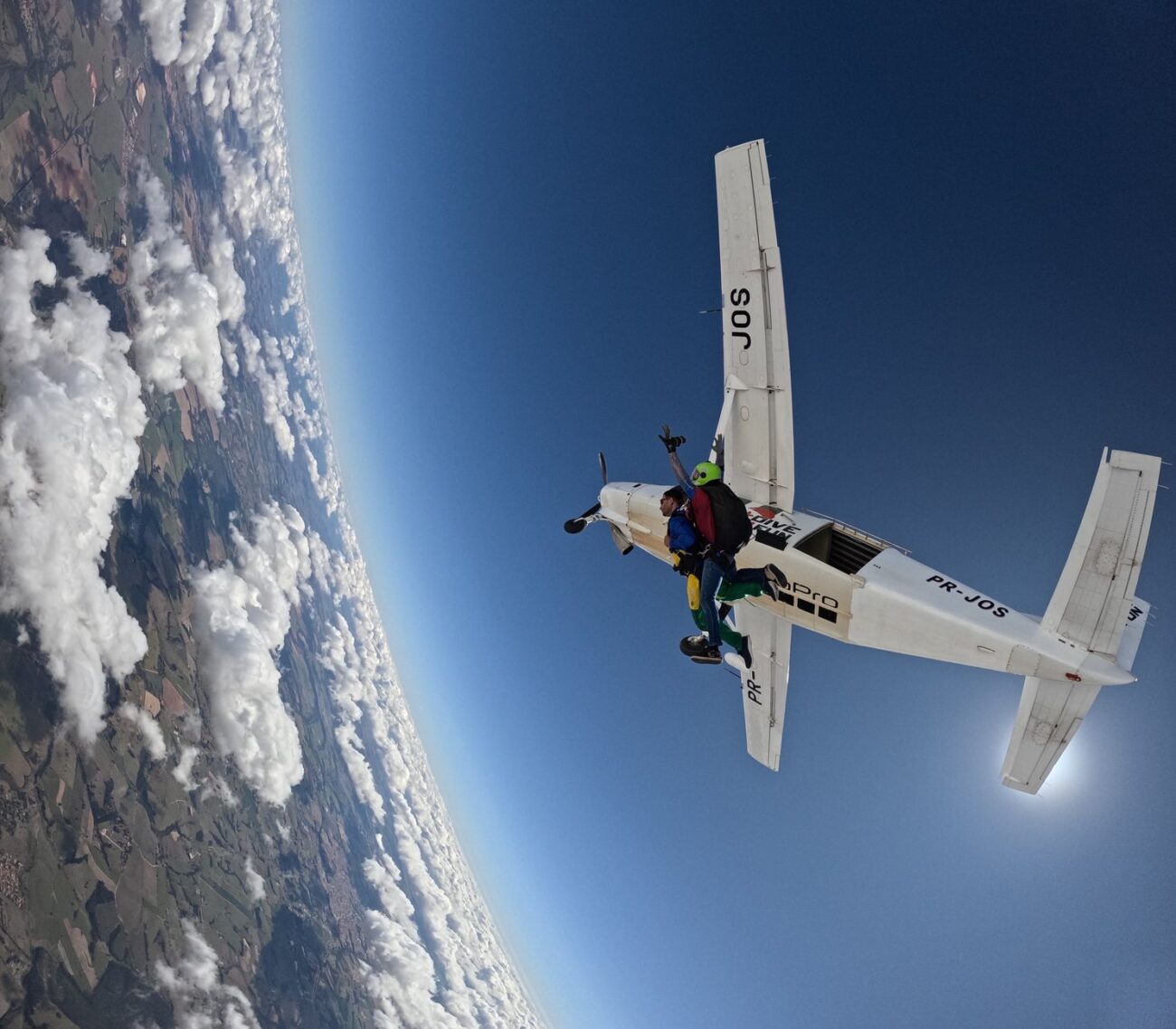
Daredevil jump without parachute has become a sensational topic as thrill-seekers push the limits of human capability. This latest stunt raises questions about safety and ambition.
The Thrill of Extreme Stunts
The world of extreme stunts continues to captivate audiences, pushing the boundaries of human capability and courage. Recently, a daredevil made headlines with a jaw-dropping feat: a daring jump from 25,000 feet without a parachute. This extraordinary act has sparked discussions about the daredevil jump without parachute becoming the ultimate expression of thrill-seeking.
For many, extreme stunts are not merely about adrenaline; they symbolize a deep-seated desire to conquer fear and challenge the impossible. The daredevil in question has expressed aspirations to leap from space, which he describes as “the dream, the drop-the-mic thing.” Such ambitions highlight a growing trend among thrill-seekers who continually seek greater heights and more daring challenges.
However, these stunts are not without their risks. The combination of altitude, velocity, and the absence of a safety net raises significant concerns regarding safety and the potential consequences of failure. As the excitement for extreme stunts grows, so does the conversation around their implications for participants and spectators alike.
- Extreme stunts push human limits
- Adrenaline vs. safety concerns
- Future of thrill-seeking
Understanding the Risks Involved
The allure of extreme sports often draws individuals to attempt daring feats, but the risks involved can be life-threatening. The phenomenon of a daredevil jump without a parachute encapsulates this thrill, raising questions about safety and the limits of human endurance.
Many factors contribute to the danger of such stunts:
- Altitude: Jumping from significant heights, like 25,000 feet, exposes individuals to rapid decompression and lack of oxygen.
- Impact: The force of landing without a parachute can lead to severe injuries or fatality.
- Preparation: Successful execution of such jumps requires extensive training and experience, which not all daredevils possess.
- Environmental Conditions: Wind speed and weather can drastically affect the trajectory and safety of the jump.
While the thrill of a daredevil jump without a parachute captivates audiences, it is crucial to recognize that these stunts often come at a high price. Understanding the inherent risks is essential for both participants and spectators, as the line between a dream and disaster can be perilously thin.
Daredevil’s Next Challenge
In a daring display of bravery and skill, the daredevil has set his sights on yet another audacious challenge: a jump from the edge of space. This leap without a parachute promises to be the ultimate test of human courage and precision. Drawing inspiration from his previous jumps, including a staggering 25,000 feet freefall, he believes that the next step in his journey is nothing short of spectacular.
The daredevil’s next challenge has ignited a whirlwind of excitement and skepticism. Many wonder if a daredevil jump without a parachute is a feasible reality or merely a dangerous fantasy. Critics voice concerns about the potential consequences, while supporters argue that such stunts push the boundaries of what is possible.
To prepare for this monumental feat, the daredevil is working closely with experts in the fields of aerodynamics and safety. His goal is not just to entertain but to inspire others to pursue their dreams, no matter how extreme. As he gears up for this historic jump, the world watches with bated breath, captivated by the audacity of his ambitions and the sheer thrill of the unknown.
How to Prepare for High Altitude Jumps
Preparing for a high altitude jump, particularly a daredevil jump without a parachute, requires meticulous planning and training. The gravity of the situation cannot be overstated, as even minor oversights can lead to catastrophic outcomes.
Here are some essential steps to consider:
- Physical Training: Building strength and endurance is crucial. Engage in activities that enhance your cardiovascular fitness and core stability.
- Mental Preparation: High altitude jumps require a strong mental focus. Visualization techniques and meditation can help maintain calm under pressure.
- Simulation Training: Use simulators or controlled environments to practice free-fall techniques. Familiarity with the sensations of falling can reduce anxiety during the actual jump.
- Safety Protocols: Develop a detailed plan that includes emergency protocols. Even without a parachute, knowing how to maneuver your body can increase your chances of survival.
- Team Support: Collaborate with experienced jumpers and trainers. Their insights can provide valuable guidance and enhance your preparation.
Ultimately, while the thrill of a daredevil jump without a parachute can be appealing, preparation is key to turning a risky stunt into a successful venture.
The Science Behind Freefall
The phenomenon of freefall is a captivating subject that combines physics, human physiology, and the thrill of adventure. When a daredevil jumps from a significant height, such as 25,000 feet, they experience a rapid descent, influenced by gravity and air resistance. This exhilarating experience is not without its complexities.
During a freefall, the body accelerates until it reaches terminal velocity, which is the maximum speed an object can achieve while falling through the atmosphere. For a human in a belly-to-earth position, this speed can reach approximately 120 miles per hour. The challenge for daredevils lies in controlling their descent and landing safely.
As they leap without a parachute, daredevils must rely on precise calculations and techniques to ensure their survival. To successfully perform a daredevil jump without a parachute, one must consider:
- Altitude: The higher the jump, the more time for acceleration.
- Wind conditions: Variability in wind can alter the descent path.
- Landing surface: Selecting an appropriate area for impact is crucial.
Ultimately, the science behind freefall is as thrilling as the act itself, pushing the limits of human capability and courage.
Public Reaction to Extreme Sports
The recent daredevil jump without a parachute has sparked a mixed bag of reactions from the public, with many expressing both awe and concern. Supporters of extreme sports view such acts as a testament to human courage and the pursuit of dreams. They argue that these stunts push the boundaries of what is possible and inspire others to take on their own challenges.
Conversely, critics question the safety and morality of such extreme feats. They argue that risking one’s life for entertainment can send the wrong message, particularly to impressionable youth. The debate has highlighted a growing divide in public opinion on extreme sports, with some considering them a form of art and others viewing them as reckless behavior.
Social media platforms have also played a significant role in shaping these perceptions. Videos of the jump have gone viral, leading to heated discussions about the ethics of extreme sports. Some users have called for stricter regulations, while others celebrate the thrill that comes with such daring acts.
As the daredevil prepares for future jumps, the public remains captivated by his feats, pondering whether they are witnessing true dreams or merely risky stunts.
Future of Skydiving and Space Leaps
The future of skydiving and extreme leaps is rapidly evolving, with thrill-seekers pushing boundaries beyond imagination. The recent daredevil jump without a parachute has sparked discussions about the next frontier in aerial stunts. As advancements in technology and safety gear emerge, the potential for more ambitious feats increases.
Experts believe that the integration of new materials and techniques could revolutionize the way jumps are executed. Future jumps may incorporate enhanced safety features, allowing daredevils to attempt even more daring stunts with reduced risk.
Moreover, the growing interest in space tourism is likely to influence the future of extreme sports. A jump from the edge of space, as some visionaries propose, could become a reality, blending elements of skydiving with the excitement of space exploration. This concept is not merely a fantasy; it represents the ultimate challenge for those craving adrenaline.
As the line between dream and reality blurs, the daredevil jump without a parachute could be seen as a pivotal moment in the evolution of extreme sports. Enthusiasts and professionals alike await the next wave of innovation, eager to redefine the limits of human capability.
The idea of a daredevil jump without parachute has fascinated thrill-seekers for decades, pushing the limits of human courage. However, the risks associated with a daredevil jump without parachute are often underestimated, leading to serious consequences.
Photo by lidierme nascimento on Pexels
