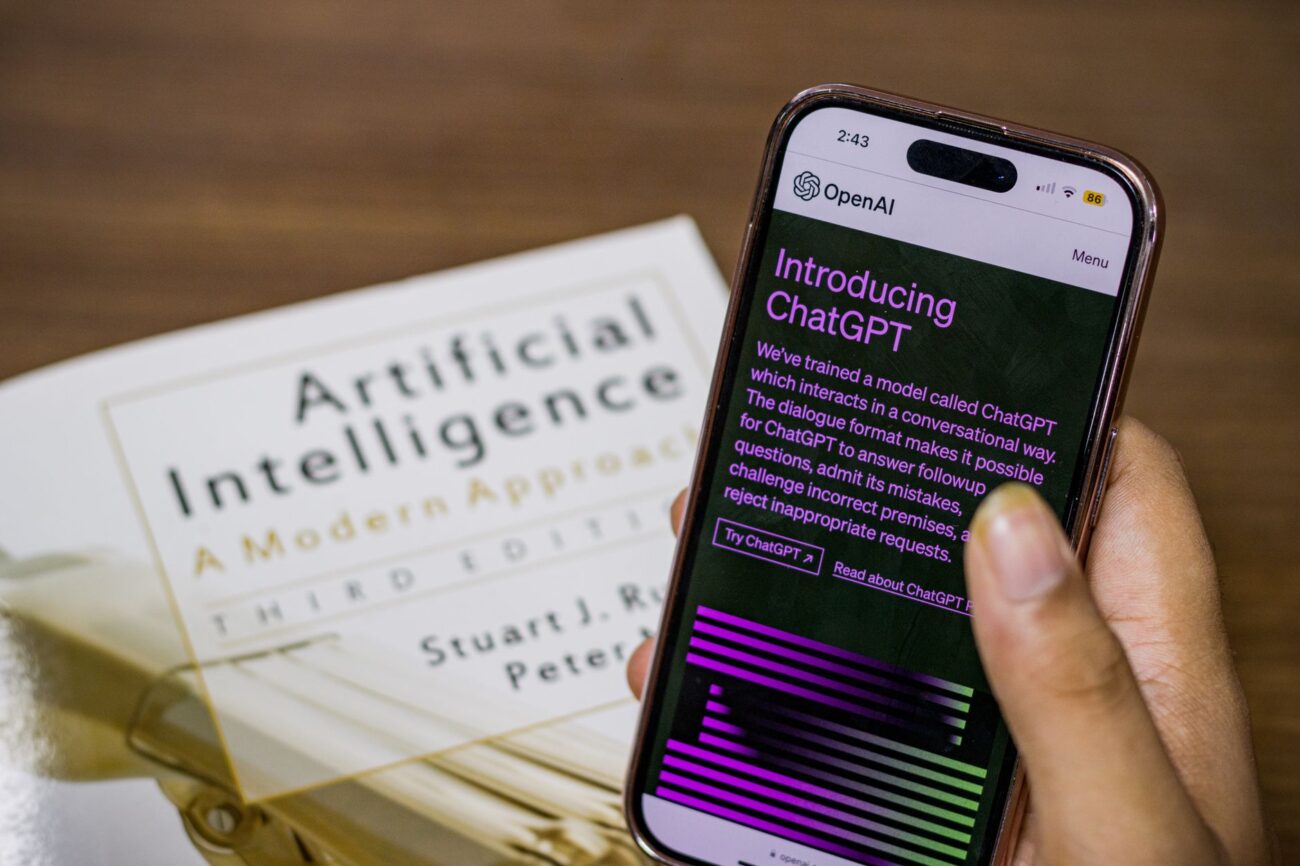
ChatGPT next AI model could potentially outperform GPT-6.1 Sol in generation times, raising excitement in the AI community. This advancement highlights the rapid evolution of AI technology.
What is the ChatGPT Next AI Model?
The ChatGPT next AI model represents a significant leap forward in artificial intelligence technology, promising enhanced capabilities and improved performance metrics. This new iteration is rumored to possess advanced features that may surpass the current standards set by its predecessors, including GPT-6.1.
One of the standout attributes of the ChatGPT next AI model is its speed. Early reports suggest that it could achieve generation times that are notably quicker than previous models, allowing for a more seamless user experience. This improvement is expected to benefit a wide range of applications, from customer service interactions to content generation.
Key features of the ChatGPT next AI model may include:
- Faster Processing: Enhanced algorithms designed to reduce response times.
- Improved Context Understanding: More sophisticated comprehension of user prompts, leading to more relevant responses.
- Broader Knowledge Base: A larger dataset that encompasses recent developments and trends.
- Adaptive Learning: The ability to learn and refine responses based on user interactions.
As developers continue to work on this model, the anticipation surrounding its capabilities grows, hinting at a potential transformation in how we interact with AI technology in the near future.
Comparing ChatGPT and GPT-6.1 Sol
In the ongoing race for AI supremacy, a significant comparison has emerged between the ChatGPT next AI model and the anticipated GPT-6.1 Sol. Both models promise to revolutionize how users interact with artificial intelligence, but they have distinct differences that could influence user preference.
- Performance: The ChatGPT next AI model boasts enhanced processing speeds, enabling quicker response times than its predecessor. In contrast, GPT-6.1 Sol, while powerful, may not match the instantaneous feedback offered by ChatGPT.
- Complexity: The ChatGPT next AI model is designed with user accessibility in mind, simplifying complex queries into comprehensible answers. GPT-6.1 Sol, however, might cater to more advanced users seeking in-depth responses.
- Adaptability: One of the standout features of the ChatGPT next AI model is its ability to learn from user interactions, continually refining its outputs. On the other hand, GPT-6.1 Sol may not adapt as swiftly to individual user preferences.
As both models continue to develop, the competition between the ChatGPT next AI model and GPT-6.1 Sol highlights the rapid advancements in artificial intelligence technology. Users are keenly watching to see which model will ultimately dominate the market with superior generation times and user experience.
Implications for AI Generation Times
The implications of the ChatGPT next AI model on generation times are significant, particularly as advancements in artificial intelligence continue to accelerate. With the rumored capabilities of this new model, users can expect a substantial reduction in response times, which could reshape how individuals and businesses interact with AI technologies.
One of the most notable features of the ChatGPT next AI model is its enhanced processing speed. This improvement could lead to:
- Real-time interactions: Users may experience a seamless conversation flow, making tools like ChatGPT more practical for various applications, from customer service to creative writing.
- Increased productivity: Faster responses can streamline workflows, allowing professionals to focus on more complex tasks rather than waiting for AI-generated content.
- Broader accessibility: The improved speed may make AI tools more accessible to a wider audience, including those in regions with slower internet connections.
Furthermore, as the ChatGPT next AI model potentially outperforms the current GPT-6.1 Sol in generation times, it sets a new benchmark within the industry. This development highlights the importance of continuous innovation in AI technology, ensuring that users receive the best possible experience.
User Reactions to AI Improvements
As the news of the ChatGPT next AI model spreads, user reactions have been overwhelmingly positive. Many early adopters have taken to social media to express their excitement over the anticipated speed improvements and enhanced capabilities.
Users have highlighted several key aspects that they find particularly appealing:
- Faster Response Times: Many users have reported significantly reduced waiting times when generating responses, making interactions feel more fluid and engaging.
- Improved Contextual Understanding: Feedback indicates that the ChatGPT next AI model excels in maintaining context over longer conversations, resulting in a more coherent dialogue.
- Enhanced Creativity: Users are thrilled about the model’s ability to produce more creative and nuanced content, which has proven beneficial for writers and content creators.
- Greater Accessibility: With the improvements, users from various backgrounds feel that the AI is more intuitive and easier to navigate, expanding its usability.
However, some users have raised concerns regarding potential ethical implications and the need for oversight as these AI models become more powerful. Overall, the buzz surrounding the ChatGPT next AI model reflects a community eager to embrace innovation while remaining mindful of its responsibilities.
How AI Models Are Evolving
The evolution of AI models has been a significant technological journey, marked by rapid advancements and increased capabilities. As we look at the trajectory of AI development, several key trends emerge that illustrate how these innovations are reshaping industries and user experiences.
One of the most notable trends is the push for greater efficiency. AI models, including the rumored ChatGPT Next AI Model, are designed to process information faster and generate responses in real-time. This shift is not merely about speed; it also involves enhancing the quality of interactions, ensuring that users receive more accurate and contextually relevant information.
Additionally, the integration of advanced algorithms and machine learning techniques has enabled AI models to learn from vast datasets more effectively. This capability allows newer models to adapt to user preferences and provide tailored experiences that were previously unattainable.
Moreover, the emergence of collaborative AI systems signifies a movement toward leveraging multiple models working in conjunction, optimizing performance across various tasks. As these developments unfold, the landscape of AI continues to evolve, leading to groundbreaking models like the ChatGPT Next AI Model that promise to deliver unmatched speed and efficiency in generative tasks.
Future of AI Technology
The future of AI technology is poised for significant advancements with the introduction of the ChatGPT next AI model. This upgrade promises to push the boundaries of speed and efficiency, making it a game-changer in the industry. Experts believe that enhanced processing capabilities will allow for even more sophisticated interactions between users and AI, leading to a more seamless experience.
Several features are anticipated to set the ChatGPT next AI model apart:
- Improved Natural Language Understanding: The model is expected to have a better grasp of context and nuance, allowing for more accurate and relevant responses.
- Faster Response Times: With optimized algorithms, users can expect quicker replies, making the model more efficient for real-time applications.
- Broader Knowledge Base: The next generation of ChatGPT will likely incorporate more up-to-date information, enhancing its usefulness in various domains.
- Greater Customization Options: Users may have more control over the personality and style of the AI, fostering a more personalized interaction.
As the landscape of AI continues to evolve, the ChatGPT next AI model stands as a testament to innovation, potentially setting new standards for future developments in artificial intelligence.
Conclusion: What’s Next for AI?
As the tech world anticipates the arrival of the ChatGPT next AI model, discussions surrounding its potential impact continue to gain momentum. This latest iteration promises significant advancements, particularly in generation times, positioning it as a leading contender against existing models like GPT-6.1 Sol. The excitement is palpable, with many experts predicting that enhanced speed and efficiency will redefine user experiences and applications.
However, the journey does not end with the launch of this new model. As AI technology evolves, it raises essential questions about the ethical implications and responsibilities that come with such advancements. Stakeholders in the tech community must consider how these powerful tools will be utilized and the potential consequences of their widespread adoption.
Moreover, the rapid evolution of AI models signifies a broader trend towards more intelligent and adaptive systems. As we look to the future, we can expect a wave of innovations that not only improve functionality but also foster more seamless interactions between humans and machines. The ChatGPT next AI model is just the beginning of what promises to be an exhilarating era in artificial intelligence.
Ultimately, keeping pace with these developments will be crucial for both developers and users alike, as they navigate the landscape of increasingly sophisticated AI technologies.
Photo by Sanket Mishra on Pexels
